Travelling Exhibition on the Eucor Library Network
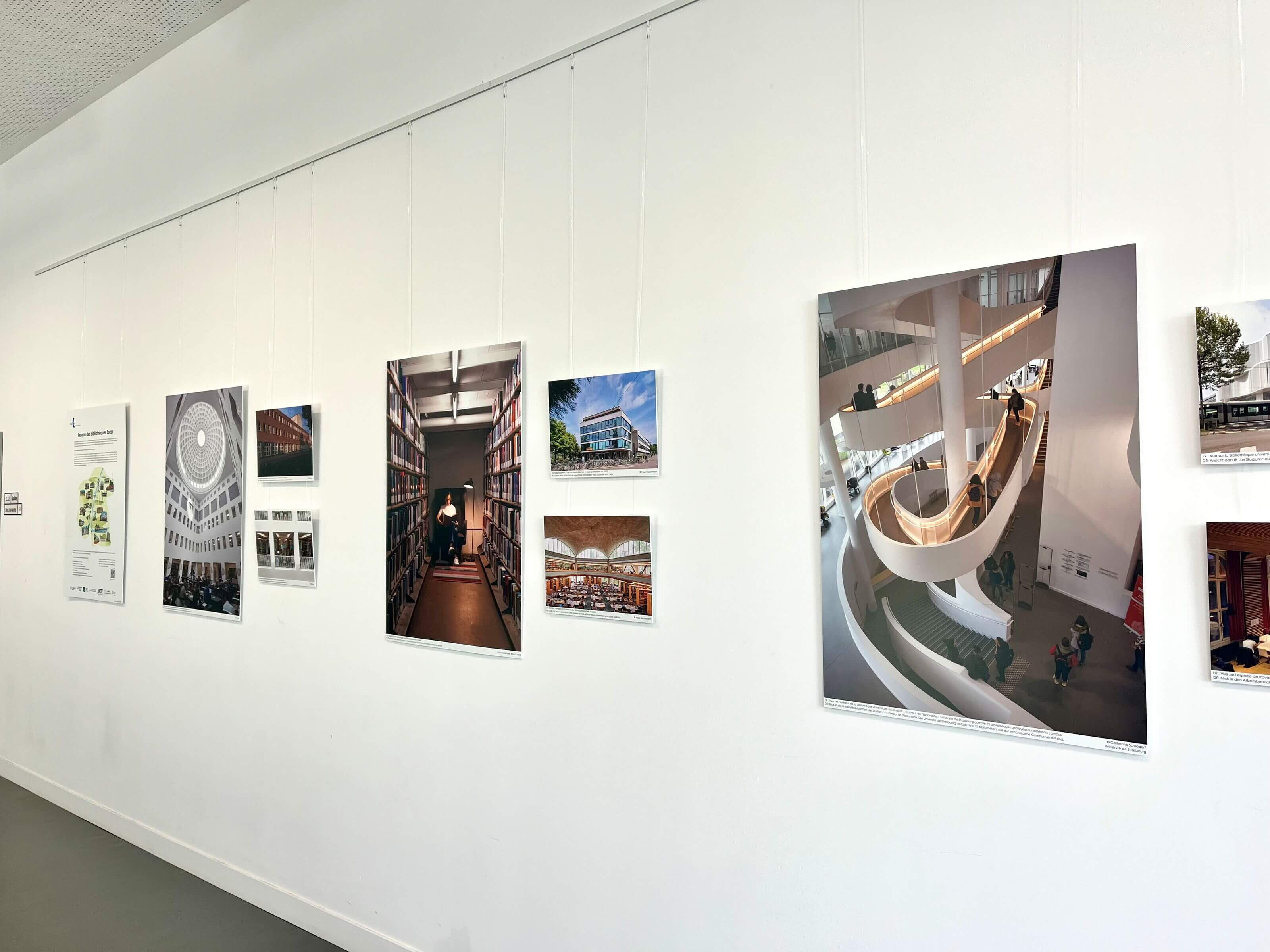
The travelling exhibition on the Eucor library network is now on display across the trinational Upper Rhine region, offering a fresh perspective on the libraries that form part of the network.
The exhibition is launched by the Bibliothèques universitaires of the University of Strasbourg. Until mid-July, the photographs are being displayed in the “Le Studium” building on the Esplanade campus. The exhibition thus begins at a central location within the network before continuing to other institutions throughout the Upper Rhine region.
Cross-Border Access to Knowledge
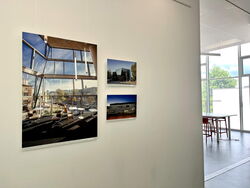
Libraries are a key component of cooperation among the Eucor universities. They provide students with free access to knowledge beyond institutional and national borders. Students enrolled at Eucor universities can use all libraries within the network and benefit from a shared collection of almost 15 million items. These holdings include both physical materials and digital resources, creating a diverse and closely interconnected knowledge infrastructure across the Upper Rhine region.
Libraries as Spaces for Learning, Research and Exchange
The Eucor libraries are far more than places to study. They are spaces for learning and research, as well as places for exchange and encounter. In addition, their architecture helps shape the academic landscape of the trinational region. The exhibition presents photographs of the library buildings as an expression of a shared European higher education area, spread across three countries yet united through a common network.
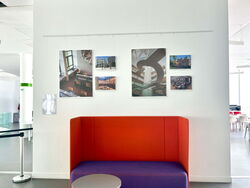
The seven libraries in the network are:
- Universitätsbibliothek Basel
- Universitätsbibliothek Freiburg
- Badische Landesbibliothek
- Learning Center de l'Université de Haute-Alsace
- KIT-Bibliothek
- Bibliothèques universitaires de Strasbourg
- Bibliothèque nationale et universitaire de Strasbourg (Bnu)
The exhibition has been organised through a collaboration between the Secretariat of the EGTC Eucor and the libraries of the network. It invites visitors to discover this network as a vibrant example of cross-border cooperation in the Upper Rhine region.
Next Stop of the Travelling Exhibition
- University Library Freiburg (Ground Floor and First Floor): October 1, 2026 to November 12, 2026